
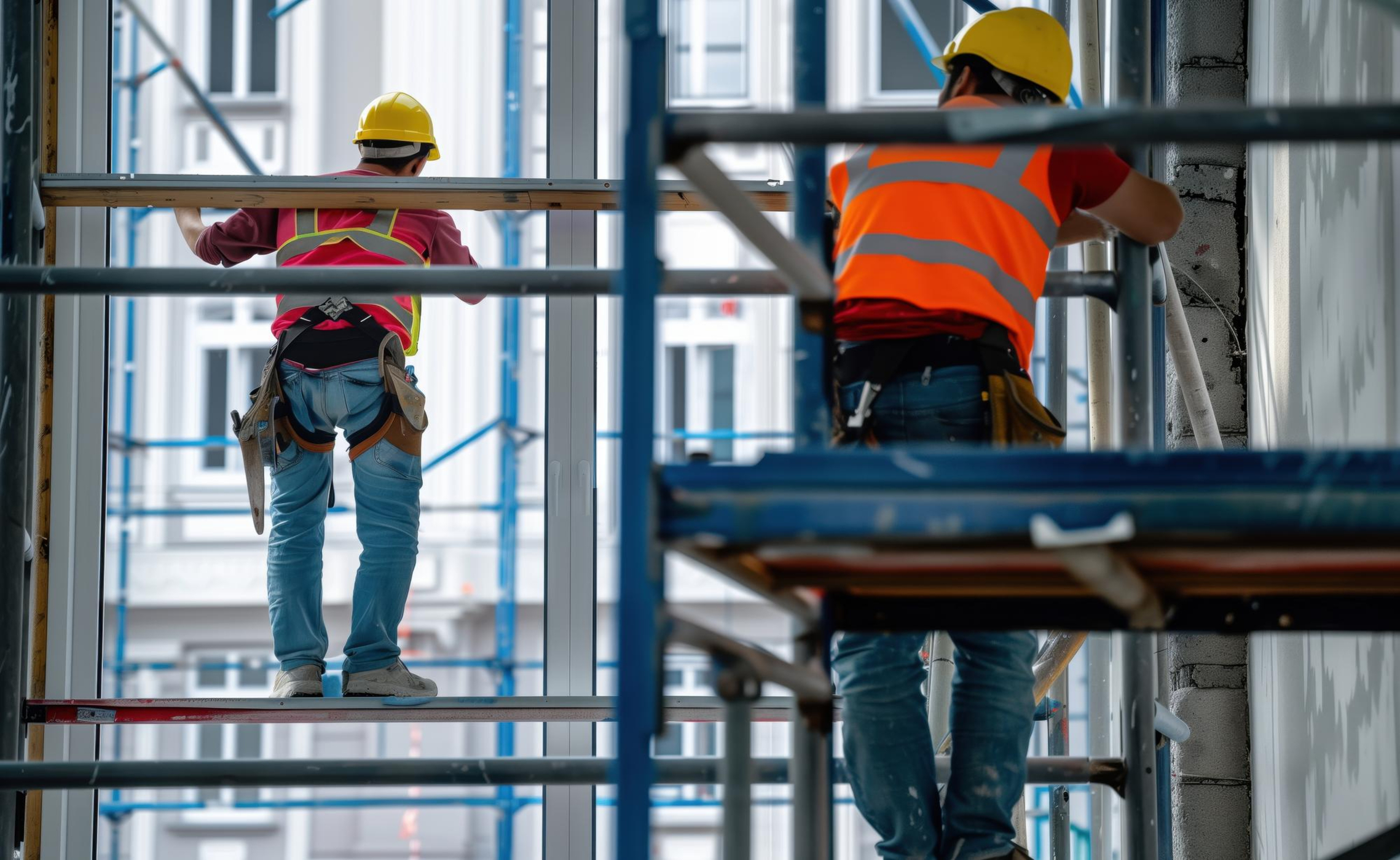
Scaffolds in construction are a critical aspect of maintenance and industrial development, which give workers access to heights in a safe manner. Nevertheless, failure of scaffolding may be disastrous – serious injuries, loss of lives and money, and delays in the project.
Consider these statistics:
-
Approximately there are 4,500 injuries associated with scaffolding and 60-80 deaths yearly.
-
Around 65% of construction employees depend on scaffolds in their routine.
-
About 72% of scaffold accidents are linked to preventable causes such as improper assembly, overloading, and lack of training.
*Source: Bureau of Labor Statistics (BLS)
These statistics emphasize an important fact: most scaffolding collapses can be avoided. They are not accidental cases, but the outcome of the recognisable risks and the lack of knowledge or implementation.
This blog delves into the understanding of root causes behind these failures and how proper training from providers like NIST Global addresses them to build safer worksites.
Top 5 Reasons Scaffolding Collapses
1.Improper Foundation and Base Support
The scaffold is as strong as the surface it is resting on. An immature or weak foundation is one of the main reasons of collapse. Unstable soil, loose ground, lack of base plates, or wrong levelling may undermine the whole structure at the very stage.
Stat Insight: One of the most common causes of accidents involving scaffolds is support or platform failure.
Impact: When the base is weak, the scaffold may tilt, sink, or suddenly give way under load. This type of failure is particularly dangerous because it often occurs without warning.
How Training Prevents It:
Effective training will prepare the workers and supervisors with skills to:
-
Assess ground conditions before installation
-
Use base plates, sole boards, and leveling tools correctly
-
Ensure load is distributed evenly across the structure
Training removes one of the most crucial points of failure by dealing with foundation risks during the setup phase.
2. Overloading the Scaffold
Each scaffold is constructed to withstand a certain amount of load. However, this limit is usually surpassed either through inadequate planning or ignorance. Unnecessary materials, numerous employees, and machinery may easily overload the building.
Stat Insight: Improper loading and structural stress play a major role in scaffold failures, which may cause a sudden collapse.
Impact: Overloading can cause planks to crack, supports to bend, and connections to fail—resulting in partial or total structural collapse.
How Training Prevents It:
Through training, workers learn to:
-
Know load ratings and classifications.
-
Determine safe load limits.
-
Spread the weight on the platform.
-
Bending or instability are possible red flags to be aware of.
This understanding is to make sure that the scaffolds are utilised within the secure limits at every time.
3. Incorrect Assembly and Dismantling
The misuse in setting and breaking down of scaffolding is still among one of the most frequent causes of collapse. Lack of braces, loose fittings, improper order of arrangement, or use of non-compatible parts can greatly undermine the structure.
Stat Insight: A large proportion of scaffold accidents are linked to errors during assembly or dismantling.
Impact: A failure of one component may cause a domino effect, resulting in a gradual failure. Such failures are usually abrupt and dire.
How Training Prevents It:
Training ensures that workers:
-
Adhere to standard erection and dismantling processes.
-
Understand manufacturer guidelines.
-
Apply the appropriate components and tools.
-
Carry out stage-by-stage safety inspections.
Experienced staff decreases the possibility of human error, which is one of the biggest causes of scaffold failures.
4. Lack of Regular Inspection and Maintenance
Scaffolding is subjected to environmental conditions, wear and tear, and operational stress. Unless there is a frequent check-up, small problems are not identified and they end up becoming serious dangers.
Stat Insight: A variety of scaffold incidences have pre-existing defects like loose fittings, corrosion, or damaged planks that was not spotted in time.
Impact: Small defects may affect structural integrity, which may lead to a greater chance of collapse in use.
How Training Prevents It:
Training programs emphasise the importance of:
-
Daily and periodic inspections.
-
Determining the evidence of damage or wear.
-
Proper checklists and documentation.
-
Engaging in corrective action when problems are discovered.
This proactive measure will make scaffolding safe during its use.
5. Environmental Factors (Wind, Rain, and External Forces)
Extrinsic conditions are important in scaffold stability particularly in outdoor conditions. The structure can be weakened or destabilised by high winds, heavy rain, and vibrations caused by adjacent machinery or accidental collision.
Stat Insight: Environmental factors can be cited as one of the contributory factors in most accidents of scaffolds, particularly in exposed construction sites.
Impact: Bad weather may make scaffolds sway, shift, or collapse endangering workers seriously.
How Training Prevents It:
Training prepares workers to:
-
Monitor weather conditions and assess risks
-
Secure scaffolding using ties, braces, and anchors
-
Stop work during unsafe conditions
-
Implement emergency response procedures
By understanding environmental risks, workers can make informed decisions that prioritise safety.
Why Training is the Key to Prevention
Although the quality and design of equipment is a factor, human competency is the most critical factor in the safety of scaffolding. The reason why many accidents do take place is not because of the faulty material that has been used but rather it is due to lack of knowledge or awareness or proper procedure.
Training fills this gap by making sure that the workers:
-
Understand hazards and risk factors
-
Follow standardised safety practices
-
Respond effectively to changing site conditions
-
Take responsibility for maintaining a safe work environment
Organisations that invest in training benefit from:
-
Reduced accidents and injuries
-
Improved compliance with safety regulations
-
Increased productivity and efficiency
-
Enhanced worker confidence and morale
In essence, training transforms safety from a reactive measure into a proactive system.
Conclusion
The collapsing of scaffolds is hardly unexpected. They are mostly caused by avoidable errors, such as unstable foundations, overloading, incorrect assembly, absence of inspection, and weather conditions.
The positive side is all of these risks can be handled successfully with the help of proper training. An important way through which organisations can contribute to reducing the chances of accidents by providing the workers with the correct knowledge and skills is through provision of safer and effective working environments.
Looking to strengthen your team’s scaffolding safety practices?
NIST Global’s expert-led training programs are designed to provide practical knowledge, real-world insights, and industry-relevant safety skills.
Get in touch today to build a safer, more compliant, and more productive workplace.
Popular Safety Training Programmes
Behaviour Based Safety Training
Develop safe behaviours, strengthen safety culture, and reduce workplace incidents through proactive observation and intervention.
Fire Safety Training
Equip employees with the knowledge and practical skills to prevent fires, respond effectively, and protect people and assets.
Defensive Driving Training
Improve driver awareness, reduce road risks, and promote safer driving practices for employees operating vehicles.
The Right Safety Training Could Prevent the Next Workplace Incident
Explore our comprehensive range of workplace safety training programmes designed to reduce risks, strengthen safety culture, and improve workforce competence across all levels of your organization.