
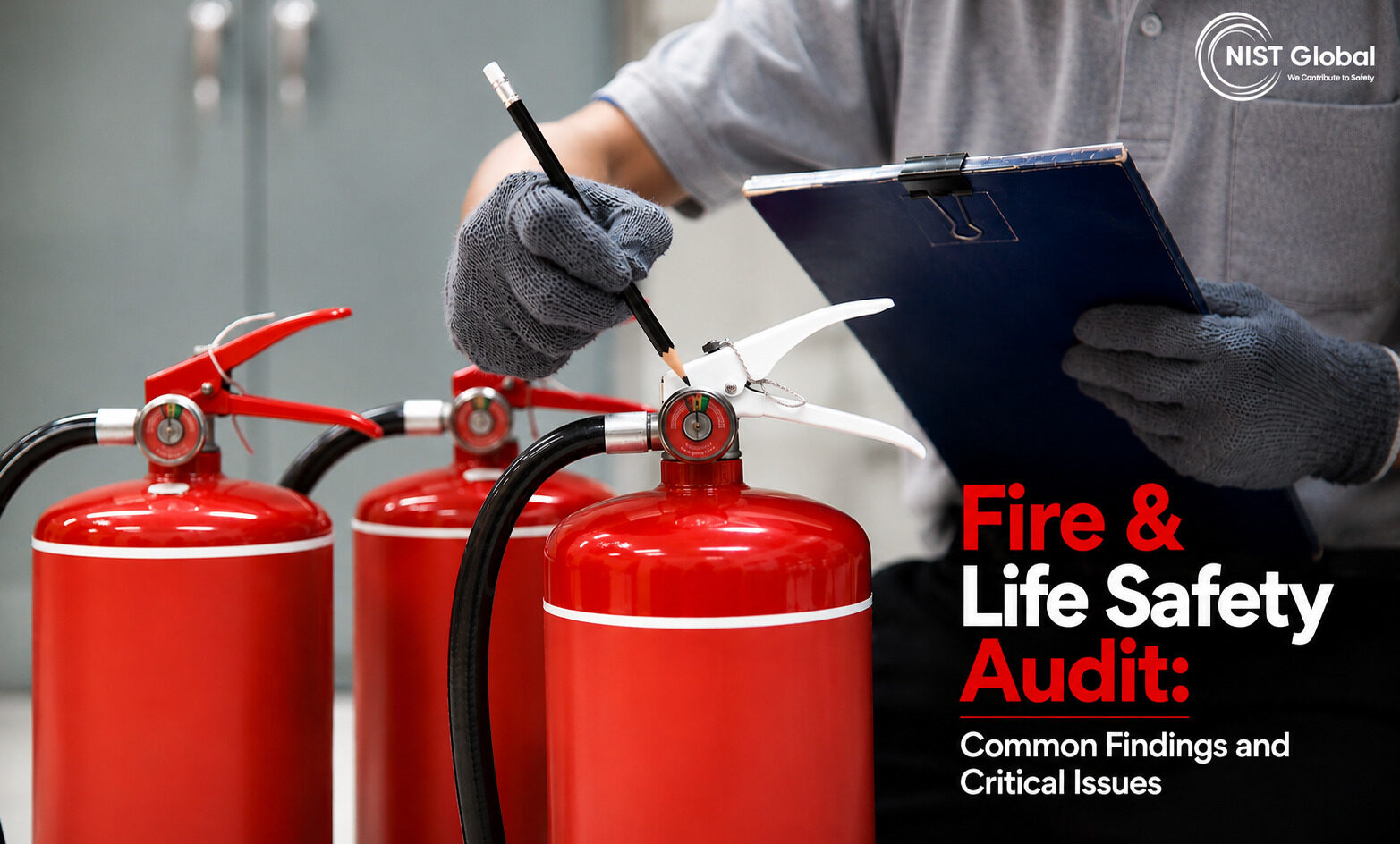
According to NCRB data, commercial buildings are the second-deadliest locations for accidental fire deaths in India, emphasizing the need for regular inspections, compliance reviews, and Fire & Life Safety Audits in commercial facilities.
These statistics are a reminder of the need for fire prevention, fire inspections, and Fire & Life Safety Audits to assess risks before they become a fire emergency.
The Fire & Life Safety (FLS) Audits are essential to the process of helping organizations find hazards, improve their emergency preparedness and save lives and property before fire or other life safety event happens.
The impact of a fire can be horrendous to people, property and business continuity. Organizations with fire protection systems can have compliance, maintenance, emergency preparedness or risk management issues that may be unknown. The Fire & Life Safety Audit can identify these deficiencies and outline a path to improvement.
This blog highlights the importance of a fire and life safety audit along with the common findings during fire & life safety audits.
What Is a Fire & Life Safety Audit?
A Fire & Life Safety Audit is a comprehensive evaluation of a building’s fire prevention systems and protection systems, emergency response systems, evacuation systems and compliance with fire prevention and life safety regulations and standards.
The goal is to assess current and potential fire hazards, determine the level of fire and life safety, and suggest remedial steps to enhance overall fire and life safety.
FLS Audits can be implemented in numerous industries such as commercial buildings, manufacturing, warehouses, healthcare, hotels and education, retail stores and residential complexes.
Why Fire & Life Safety Audits Are Important
Often, fire incidents expose vulnerabilities that may not be identified during normal operations. An obstruction of emergency escape, failure of the alarm system or a poorly maintained fire hydrant system can make a dramatic difference in emergency response and evacuation.
Periodic Fire & Life Safety Audits assist organisations to:
-
Find out the hazards before they can cause fires
-
Enhance adherence to fire safety codes and standards
-
Improve emergency preparedness and response
-
Ensure the protection of employees, visitors and assets
-
Minimise disruption and loss of business
-
Enhance workplace culture for safety
Most importantly, an audit helps organizations adopt a proactive approach to fire & life safety by identifying and addressing risks before they lead to incidents.
Common Findings During Fire & Life Safety Audits
While every facility presents unique challenges, certain fire and life safety deficiencies are consistently identified during audits across industries. Below are some of the common issues observed during fire & life safety audits:
1. Obstructed Emergency Exits and Escape Routes
Blocked or partially obstructed exits are one of the most frequent audit issues. Restriction of evacuation routes due to storage materials, equipment, furniture or temporary structures, and the delay in getting to safety during an emergency.
Emergency exits must not be blocked, marked or otherwise obstructed.
2. Improper Fire Extinguisher Placement and Maintenance
Fire extinguishers are commonly found to be inaccessible, misplaced, unserviced or without inspection records. In certain facilities, staff don’t know how to use the extinguishers or what to do in an emergency.
Regular checks and staff training are crucial to keep extinguishers in working condition during a fire.
3. Deficiencies in Fire Detection and Alarm Systems
Fire detection and alarm systems are important sources of early warning. Typical problems that are found on an audit include:
-
Non-functional smoke detectors
-
Damaged alarm devices
-
Inadequate detector coverage
-
Poor maintenance practices
-
Delayed testing and inspections
Any failure of the detection system can cause a delay to evacuation and emergency response.
4. Poor Maintenance of Fire Suppression Systems
Regular inspection and testing are required for fire suppression systems including sprinklers, hydrants, hose reels and fixed fire-fighting installations.
Common deficiencies include:
-
Corroded or damaged components
-
Low water pressure
-
Obstructed sprinkler heads
-
Leakage in piping systems
-
Inadequate maintenance documentation
In the event of a fire, a failed suppression system can contribute greatly to fire damage and risk to life.
5. Electrical Fire Hazards
Electrical problems remain a top cause of fires in the workplace.
Typical findings include:
-
Overloaded electrical circuits
-
Damaged wiring and insulation
-
Improper cable management
-
Unauthorized electrical modifications
-
Inadequate preventive maintenance
6. Inadequate Emergency Preparedness
Numerous organizations have emergency response plans but don’t perform regular drills and awareness programs.
Audit findings often reveal:
-
Employees are unaware of evacuation procedures
-
Lack of designated emergency response teams
-
Poor communication systems
-
Poor performance by the emergency response team
-
Infrequent emergency drills
-
Lack of participation from the employees
-
Absence of emergency coordination protocols
Emergency preparedness is only effective when employees understand their roles and responsibilities.
7. Insufficient Fire Safety Signage
Signage is an important element when dealing with emergencies.
Common issues include:
-
Missing exit signs
-
Damaged safety signage
-
Poor visibility
-
Outdated evacuation maps
-
Inadequate emergency instructions
Signage aids occupants to evacuate swiftly with safety.
8. Poor Housekeeping and Storage Practices
Fire loads and fire spread can be greatly increased if combustible materials are stored in close proximity to ignition sources.
Typical concerns include:
-
Accumulated waste materials
-
Improper storage of combustible goods
-
Storage near electrical equipment
-
Blocked access to firefighting equipment
Good housekeeping continues to be one of the best ways to prevent fires.
Critical Issues Requiring Immediate Action
There is a considerable number of audit observations that can be addressed by planned changes, but some require immediate attention:
-
Obstructing/blocking emergency exits
-
Non-functional fire alarm systems
-
Defective sprinkler systems
-
Inadequate emergency lighting
-
Severe electrical hazards
-
Improper storage of flammable materials
-
Lack of emergency evacuation procedures
-
Failure to meet statutory fire safety standards
If these crucial matters are not dealt with, it can result in injury, loss of life, property damage, legal liability, and business interruption.
The Value of Regular Fire & Life Safety Audits
Organizations that conduct periodic FLS Audits gain valuable insights into their fire risk profile and safety performance.
Regular audits help:
-
Reduce risk of fire incidents
-
Improve operational resilience
-
Strengthen regulatory compliance
-
Boost staff confidence and fire & life safety awareness
-
Provide assistance in carrying out continuous improvement projects
-
Defend the integrity of business and the confidence of business stakeholders
A detailed fire & life safety audit will not only uncover the gaps but also offer practical solutions to achieve sustainable risk reduction.
Strengthen Fire & Life Safety with NIST Global
Fire & life safety is not only a compliance issue, it’s a life, asset and business continuity protection issue. Risk identification is a key element to making an organization safer and more resilient, before the incident happens.
NIST Global provides organizations with a full range of Fire & Life Safety Audit services to assess fire protection systems, emergency preparedness, evacuation plans, life safety and regulatory compliance.
Our seasoned safety experts carry out comprehensive evaluations, spot crucial areas, and suggest concrete steps that will aid in future safety enhancements.
From a commercial facility, manufacturing plant, warehouse, healthcare facility, education campus, hospitality property or residential community, NIST Global can support you to enhance your fire & life safety approach.
Why Choose NIST Global for Fire & Life Safety Audits?
Frequently Asked Questions (FAQs)