
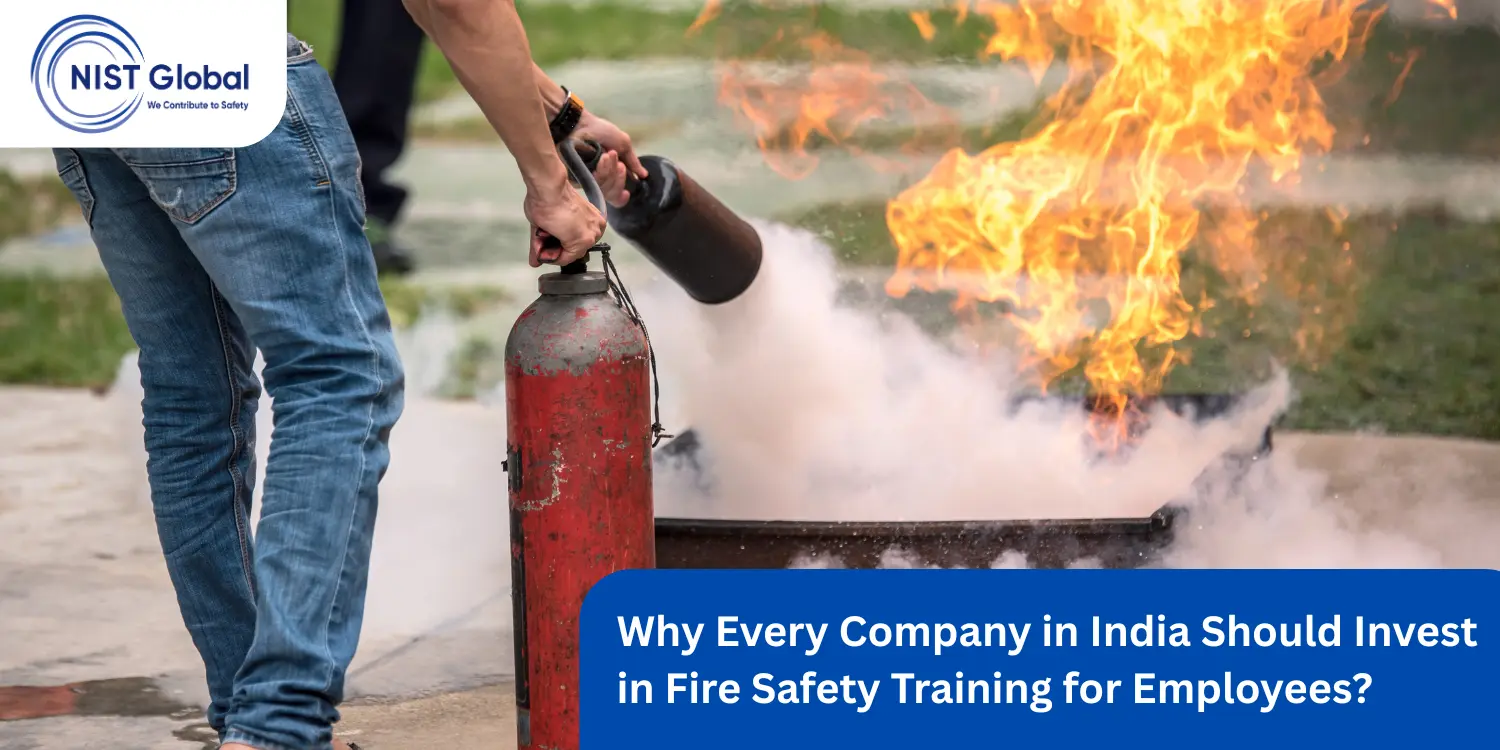
Fire safety training for employees in India is no longer a ‘good-to-have’ onboarding or induction slide. It is a crucial pillar of organisational resilience. The Accidental Deaths & Suicides in India (ADSI) reports fire accidents accounting for a staggering number of preventable workplace fatalities. This fact is supported by the FICCI- Pinkerton India Risk Survey, which consistently reported fire amongst the top 5 risks to Indian businesses.
For HR leaders and plant and safety managers, a single incident of fire is not just property damage. It might cause a permanent closure or legal battles. In extreme cases, it might result in an irreparable loss to the reputation of the company.
In this blog, let’s explore why fire safety awareness is a must-cost-effective insurance investment for Indian corporates.
What Is Fire Safety Training?
Fire safety training for employees in India is an educational programme structured to equip your organisational employees with the knowledge to prevent fire. It trains them with the essential skills to effectively respond to a fire breakout.
Hazard identification, how to use fire-fighting equipment, and emergency evacuation protocols are a few important modules here. For Indian organisations, this training is a vital component to ensure that their employees do not just know about the fire risks but are also capable of dealing with them. Let’s take a look at the challenges first.
Challenges with the Indian Workplaces
The urbanisation and use of technology are increasing. However, many Indian businesses still struggle to meet the minimum safety standards. With poor safety ethics, they prioritise immediate output rather than working around long-term prevention. Several unique factors contribute to the increasing vulnerabilities of the Indian corporates:
- The Contract Labour Gap
- Infrastructure and Compliance Pressures
- Lack of Hands-on Awareness
- Urban Congestion and High Density
- Electrical Overloading
Fire Incident’s Impact on Indian Organisations
The fire breakdown in a corporate setting extends far beyond what one can even imagine:
- Operational Downtime: The first thing to undergo disruption is the operations. A fire breakout can halt your manufacturing or logistics for weeks if unaddressed. As a result, you may suffer massive financial losses.
- Legal Liability: Compliance officers are under immense pressure when such incidents occur. This stress is probably the outcome of a lack of safety culture and awareness.
- Loss of Human Capital: Last but not least, the most tragic impact of a fire breakout is the loss of life or injury to employees. This incident is enough to shatter the organisational morale.
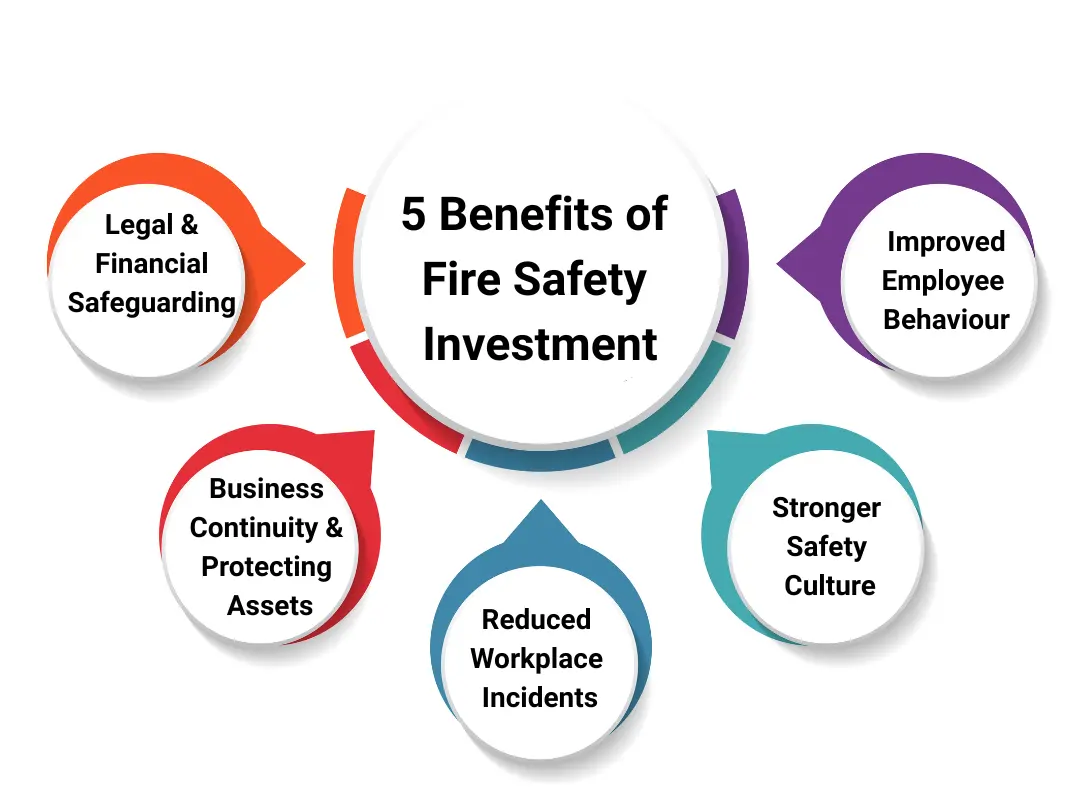
Benefits of Fire Safety Investment
Below is the list of benefits of fire safety training for Indian organisations:
- Improved Employee Behaviour: A trained staff is a better and healthier investment for any organisation.
- Stronger Safety Culture: Fire safety training and refreshers signal to the workforce that the management genuinely cares.
- Reduced Workplace Incidents: When the awareness programmes are run efficiently, there are lower frequencies of preventable fires.
- Business Continuity & Protecting Assets: Early interventions to prevent total losses.
- Legal and Financial Safeguarding: Robust safety measures ensure you are legally and financially compliant.
Practical Solutions for Indian Corporates
To move beyond these theoretical dimensions, organisations should work on implementing the following practical insights:
Conduct Workplace Risk Assessments
A generic fire plan fails in a specialised environment. Operational heads and HR should lead in ensuring that the training is tailored to specific sectors such as logistics, oil & gas, and plant management.
Hands-on Training is Best
Avoid using statements like ‘safety is important.’ Training should include realistic workplace scenarios relevant to the Indian industries to formulate training relatable and actionable.
Focus on Multilingual Education
Ensure training reaches every individual within your organisation. In India, contractual labour is prevalent. In such scenarios, it is the duty of HR and Operational heads to ensure that the training materials are made accessible and easy to understand for their workforces.
A Proactive Leap Towards Safety and Compliance
Fire safety is not just your organisation’s cost centre. It should become your organisational value driver. Indian organisations aiming to reach the global market need a transition from being ‘compliance-driven’ to ‘safety-adherence.’ Investment in fire safety training for employees in India is not just about protecting your assets. You are also working towards safeguarding the lives of your people who invest their time and efforts to earn collective success for your organisation.
Fire safety is not a cost centre; it is a value driver. For Indian organisations aiming for global standards, the transition from “compliance-driven” to “safety-driven” is essential.
By investing in NIST Global’sfire safety training for employees, you are not just protecting assets—you are safeguarding the lives of the people who build your success every day.
Key Takeaways
- Fire safety training for employees in India is a mandatory compliance requirement for every organisation.
- This legal standard and safety audit requirement encourages organisations to invest in their employees’ awareness to reduce workplace accidents. The training mandates equipping staff in how to identify hazards and proactively respond to emergencies.
- The Indian industries with high-density work environments have unique risks and challenges with a large proportion of the contractual workforce.
- A strong safety culture ensures improved employee behaviour. It is the responsibility of every employee to proactively report hazards and ensure efficient evacuations.
FAQs Related To Fire Safety Training
1. Why is fire safety training for employees in India important?
Fire safety training is a bible to reduce workplace incidents and improve compliance with Indian safety regulations. It fosters the foundation of a stronger safety culture and ensures that employees learn how to behave correctly in the event of a fire crisis.
2. What are some of the common challenges Indian organisations face?
A few of the common challenges that Indian organisations report are:
- Lack of workforce awareness
- Training issues of the contractual labour workforce
- Inadequate training programmes
3. How does fire safety training link with improved employee behaviour?
Fire safety training teaches employees how to identify the hazards and take the next immediate steps to mitigate fire incidents. This hands-on approach instills confidence and a proactive attitude towards workplace safety.
4. Which Indian industries should prioritise safety training?
All corporates should proactively invest in safety training and refreshers. However, industries dealing with manufacturing, oil & gas, construction, and logistics should prioritise it as soon as possible due to their high risks.
5. Can training programmes solve the issue of poor safety culture?
Yes, a consistent and realistic training programme is a primary way in which the Indian organisations can improve their poor safety culture.
Develop safe behaviours, strengthen safety culture, and reduce workplace incidents through proactive observation and intervention. Equip employees with the knowledge and practical skills to prevent fires, respond effectively, and protect people and assets. Improve driver awareness, reduce road risks, and promote safer driving practices for employees operating vehicles. The Right Safety Training Could Prevent the Next Workplace IncidentPopular Safety Training Programmes
Behaviour Based Safety Training
Fire Safety Training
Defensive Driving Training
Explore our comprehensive range of workplace safety training programmes designed to reduce risks, strengthen safety culture, and improve workforce competence across all levels of your organization.