
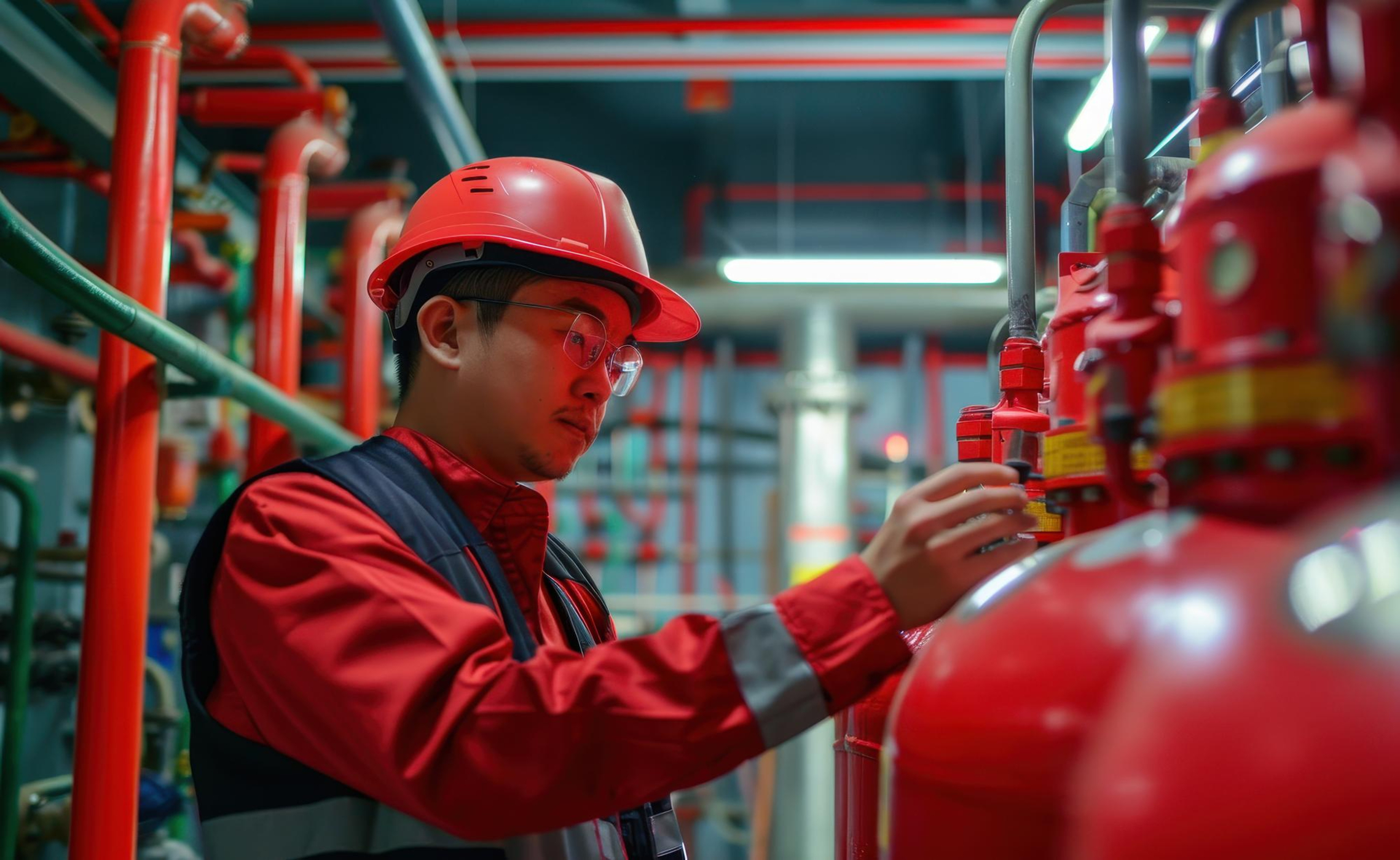
Do you know that fire-related accidents are still a leading cause across Indian industrial sectors? The more accidents, the more it ensures a severe lack of safety awareness. More than a physical hazard, it is a catastrophic disruption.
Such events do not just claim lives but also trigger intense compliance pressures and legal liabilities following irreversible damage. In this blog, let’s explore why structured fire safety training India is a strategic corporate necessity to deepen organisational resilience.
What This Fire Safety Training Program Covers (Complete Breakdown)
This comprehensive fire safety certification India offers a structured, deep dive into technical aspects and response strategies. The certification course is designed to move beyond generic theory to gain practical insights and actionable information.
Understanding Fire Chemistry and Classifications of Indian Standards
Fire chemistry includes the understanding of interactional study between fuel, heat, and oxygen. It is commonly referred to as the Fire Triangle. A basic understanding of these elements is crucial for effective fire suppression:
- Class A: Solid combustibles such as paper and wood.
- Class B: Flammable liquids, a primary risk in the oil & gas and logistics sectors.
- Class C: Flammable gases and electrical fires.
- Class D: Metal fires, which are critical risks in large-scale manufacturing plants.
- Class K/F: High-temperature cooking oils, essential for corporate canteens and hospitality hubs.
Fire-Fighting Equipment Operations
A mere theoretical knowledge is insufficient. Your contractual workforce also needs practical insight into how to handle the equipment. It roots a sensible employee behaviour.
- The PASS Technique: Your staff undergoes several hands-on training sessions here to understand how to – Pull the Pin; Aim at the Base; Squeeze the Lever; and Sweep the Nozzle. These PASS techniques are important to know how to extinguish incipient fires.
- Fixed Systems: Fire safety training includes the operational basics of wet risers, automatic sprinklers, and hose reel systems. These systems are often found at the base of modern Indian commercial centres.
Advanced Modules for Emergency Response
- Fire Warden Training: You need efficient training leaders to manage your staff at the assembly points and conduct accurate roll calls. This section also trains them on how to exit a safe facility in the event of panic.
- ERT & Mock Drills: The scenario-driven rehearsals are important to evaluate the actual response time and a safe culture. Such rehearsals are inclusive of fire outbreaks and chemical leaks.
Overcoming the “Contract Labour” Challenge
Indian industries often have a large amount of their workforce as contractual labourers. The temporary staff lacking basic safety knowledge is a threat to organisational safety.
- Bilingual Delivery: NIST Global’s course is a bilingual one to professionally bridge the gap by offering it in regional languages and English.
- Simplified Inductions: The course offers a simplified induction with visual-heavy training. This simplified induction ensures that the safety protocols reach frontline workers in an effective manner regardless of their educational background.
Training Deliverables: What You Actually Receive
A professional fire safety training course India goes beyond the concept of a lecture. It delivers actionable information with:
- Validated Certification: Your workforce receives an official fire safety certification, which is valid for a period of 1 to 2 years. Such certifications are important audit mandates.
- Practical Toolkit: You receive access to evacuation templates, fire safety checklists and Emergency Response Plans to strategise your workplace fire safety.
- Refresher Frameworks: The course also includes guidelines to design your biannual drills for full compliance.
What Skills and Competencies Do You Develop?
With this certification, your workforce will work on the following skills and competencies:
- Hazard Identification: The course trains your workforce to quickly identify ‘near miss’ situations before they turn blunders.
- Emergency Leadership: It develops the confidence in your workforce to act as a Fire Warden or part of an Emergency Response Team (ERT) during the event of a crisis.
- Technical Proficiency: The course offers hands-on experience in operating diverse firefighting equipment and suppression systems.
How This Training Transforms Your Workplace Results?
Awareness fire safety certification India is a strategic solution to common challenges at the workplace. You will notice:
- Reduced Workplace Incidents: A direct correlation between your trained staff and reduced accidental fire outbreaks.
- Strict Legal Compliance: Your organisation fully adheres to and complies with the National Building Code (NBC) 2016 and relevant State Fire Safety Acts.
- Resilient Safety Culture: You will witness a transformation from a reactive fire-fighting to a proactive “safety-first” environment.
Who This Course Is Best Suited For?
The fire safety course by NIST Global is best suited for:
- HR Leaders & Compliance Officers: These professionals are responsible for maintaining the statutory training records and employee welfare.
- Safety Managers & Plant Heads: The safety managers and plant heads are tasked to oversee high-risk manufacturing, logistics, or construction sites.
- Learning & Development Teams: Your organisational learning & development teams to integrate safety into broader organisational programmes.
Conclusion
Fire safety training course India is a continued commitment to boosting your organisational resilience. Do not wait till you witness a ‘near miss.’ Evaluate how well your organisation is prepared to deal with the emergency fire scenarios.
Invest in NIST Global’s Advanced Fire Safety Certification programme and protect your human and physical assets while ensuring compliance with the National Building Code (NBC) 2016 and relevant State Fire Safety Acts.
Key Takeaways
- Legal Mandate: Indian Safety Regulations mandate fire safety training as a statutory requirement under the NBC 2016 and State Fire Safety Acts.
- Operational Readiness: The principal modules covered under NIST Global’s fire safety training India include – PASS extinguisher techniques, fire chemistry and structured evacuation drills.
- Organisational Value: This effective programme contributes to reducing workplace fire incidents, improving compliance and a proactive safe work culture.
- Inclusive Approach: The key focus of this programme is training your contractual labour workforce through its bilingual delivery and practical demos.
FAQs
Popular Safety Training Programmes
Behaviour Based Safety Training
Develop safe behaviours, strengthen safety culture, and reduce workplace incidents through proactive observation and intervention.
Fire Safety Training
Equip employees with the knowledge and practical skills to prevent fires, respond effectively, and protect people and assets.
Defensive Driving Training
Improve driver awareness, reduce road risks, and promote safer driving practices for employees operating vehicles.
The Right Safety Training Could Prevent the Next Workplace Incident
Explore our comprehensive range of workplace safety training programmes designed to reduce risks, strengthen safety culture, and improve workforce competence across all levels of your organization.