
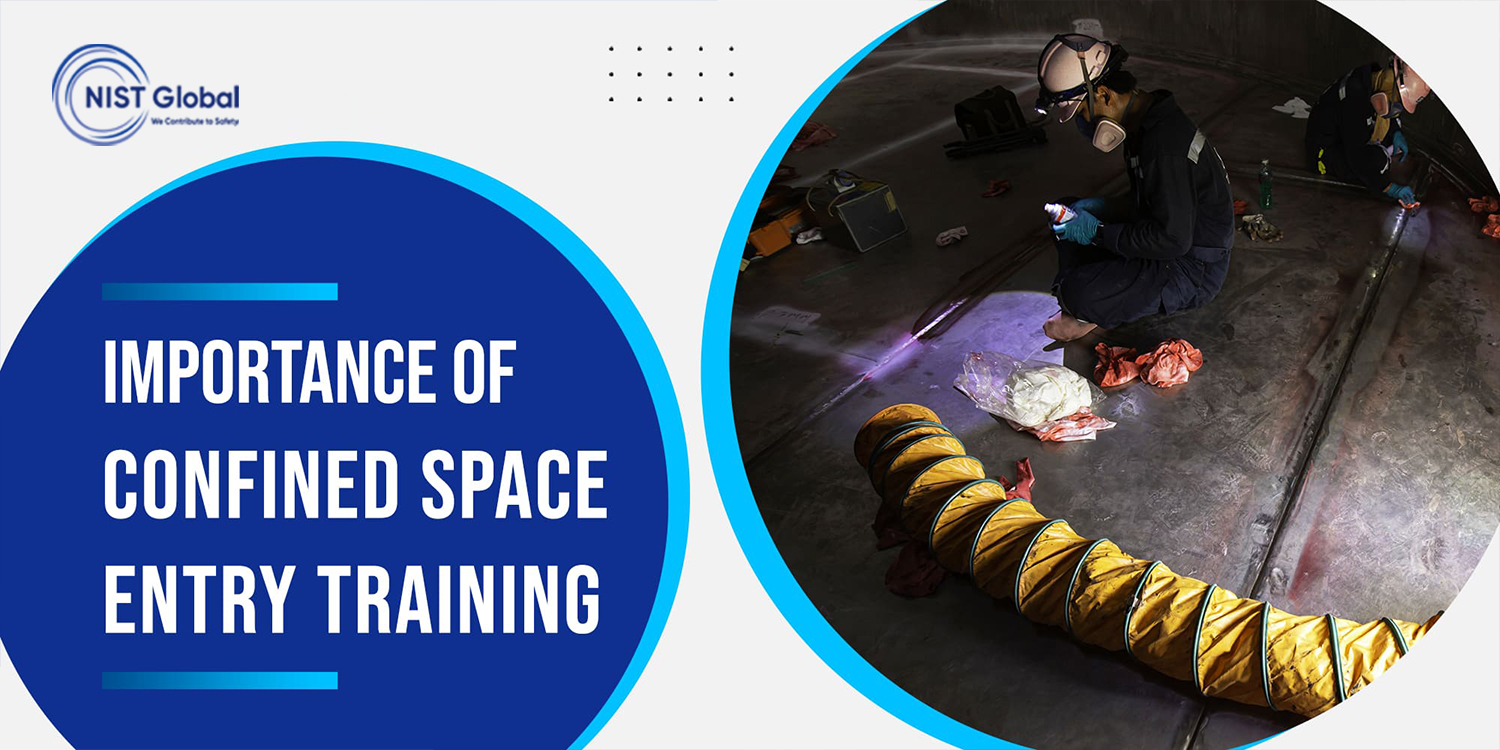
A confined space refers to an enclosed or partially enclosed space, which is not intended to be occupied by humans continuously, has no additional access or exit, and which may introduce risks to those entering it. There are confined spaces that are available in various industries, and in confined spaces include tanks, silos, pits, manholes, sewers, tunnels, and vessels.
Smaller spaces are not necessarily dangerous in their nature, but circumstances within them can develop quickly, making them dangerous unless adequate measures are taken. The hazards could be because of bad ventilation, unsafe atmosphere, limited movement, being engulfed or the type of work performed. Due to these, the work in the confined space is to be planned carefully and performed by trained people.
Hazards Associated with Confined Spaces
The dangers that are found in a limited area are related to the surroundings and the job to be done. Common hazards include:
-
Oxygen-deprived or oxygen-enriched atmosphere.
-
Availability of toxic or combustible gases and vapours.
-
Poor natural ventilation
-
Danger of being ingested by liquids or loose substances.
-
Physical dangers of heat, noise or moving machinery.
-
Inadequate emergency response and rescue.
A lot of confined space accidents happen as a result of the failure to identify or control hazards prior to entry. Cases of serious injuries and fatalities have also been experienced because of unscaled rescue operations not done in proper training and equipment.
Why Confined Space Entry Training Is Essential
Training on confined space entry is critical in order to make workers learn how to identify confined spaces, evaluate risks involved, and implement the right control measures. Training helps people possess the knowledge of safe working and prevent unsafe entry in case the conditions are not properly controlled.
A good confined space entry training emphasizes on:
-
Determining constrained areas and the dangers.
-
Prior entry risk assessment.
-
Learning about permit-to-work systems.
-
Monitoring and testing of the atmosphere.
-
Wearing of personal protective equipment (PPE) safely.
-
Establishing roles and functions of entrants, attendants and supervisors.
-
Planning of emergency response and rescue.
Instead of using assumptions, the trained workers are taught to make informed choices based on real site conditions.
Objectives of Confined Space Entry Training
The main aim of the confined space entry training is to avoid accidents and deaths by having the work made and executed through safe systems of work. The purpose of training is to enhance the level of hazard awareness, to facilitate the observance of safety procedures, and the creation of a disciplined attitude towards the operations in confined spaces.
It assists organisations to develop uniform safety habits, minimize operational hazards, and uphold adherence to safety needs in the workplaces.
Who Should Undertake Confined Space Entry Training?
Confined space entry training is relevant for individuals who may be involved in confined space activities, including:
-
Workers required to enter confined spaces
-
Supervisors responsible for overseeing confined space work
-
Safety officers and HSE professionals
-
Maintenance and operations personnel
-
Emergency response and rescue team members
Training ensures that everyone involved understands their role and responsibilities in maintaining safety.
Benefits of Confined Space Entry Training
Organisations that provide confined space entry training benefit from:
-
Reduced risk of serious injury and fatal accidents
-
Improved hazard identification and risk control
-
Better emergency preparedness
-
Increased worker confidence and competence
-
Stronger safety culture and accountability
Most importantly, proper training helps protect lives by ensuring that confined space work is carried out safely and systematically.
Conclusion
Confined space entry work presents unique and potentially serious risks if not properly managed. While not all confined spaces are inherently dangerous, every confined space must be assessed before entry. Confined space entry training plays a critical role in equipping workers with the skills and knowledge needed to identify hazards, apply control measures, and respond effectively to emergencies.
By investing in proper confined space entry training, organisations demonstrate a commitment to workplace safety and the wellbeing of their workforce.
Why NIST?
When a confined space entry is a real threat, we train employees to be aware of the hazards associated with confined space entry and to prepare for such emergencies. We require that they know what to do when encountering a confined space entry hazard. In this training, participants will learn the basics of confined spaces from a technical perspective, including entry points, exits, hazards, and hazards to health and safety (HSE). They will be shown how these hazards are presented in different confined space environments, such as warehouses, shops, production areas, etc. and they will also look at how people may attempt to enter or exit these spaces and what to do if they get trapped inside or can’t escape a confined space safely.
For further details, contact our client servicing team @ +91 9384663536 or mail us at corporate.sales@nistinstitute.com

Popular Safety Training Programmes
Behaviour Based Safety Training
Develop safe behaviours, strengthen safety culture, and reduce workplace incidents through proactive observation and intervention.
Fire Safety Training
Equip employees with the knowledge and practical skills to prevent fires, respond effectively, and protect people and assets.
Defensive Driving Training
Improve driver awareness, reduce road risks, and promote safer driving practices for employees operating vehicles.
The Right Safety Training Could Prevent the Next Workplace Incident
Explore our comprehensive range of workplace safety training programmes designed to reduce risks, strengthen safety culture, and improve workforce competence across all levels of your organization.