
Work at Height Safety Training in India
Falls from height are among the leading causes of workplace fatalities. NIST Global's Work at Height Safety Training equips workers and supervisors with the knowledge and hands-on skills to identify fall hazards, apply the hierarchy of fall protection, use fall-arrest equipment correctly, and stay compliant. Delivered on-site at your facility or virtually across India.
🛡️ Zero falls, zero harm · Get expert guidance now
The Challenge
Why Falls from Height Keep Happening
Height work looks routine until it goes wrong. Most falls trace back to a missed hazard, the wrong equipment, or no plan for what happens if someone falls — all of which training prevents.
The leading cause of fatalities
Falls from ladders, scaffolds, rooftops and platforms are among the top causes of workplace deaths and serious injury.
Wrong or misused equipment
Harnesses worn incorrectly, poor anchor choices and uninspected PFPE turn a safeguard into a false sense of security.
No rescue plan
A worker arrested in a harness needs rescue within minutes — yet many sites have no plan for suspension trauma.
Compliance obligations
The Factories Act, BOCW Rules, IS standards and ISO 45001 require height-work training — gaps bring penalties and prosecution.
Build the Skills and Judgement to Work Safely Above Ground
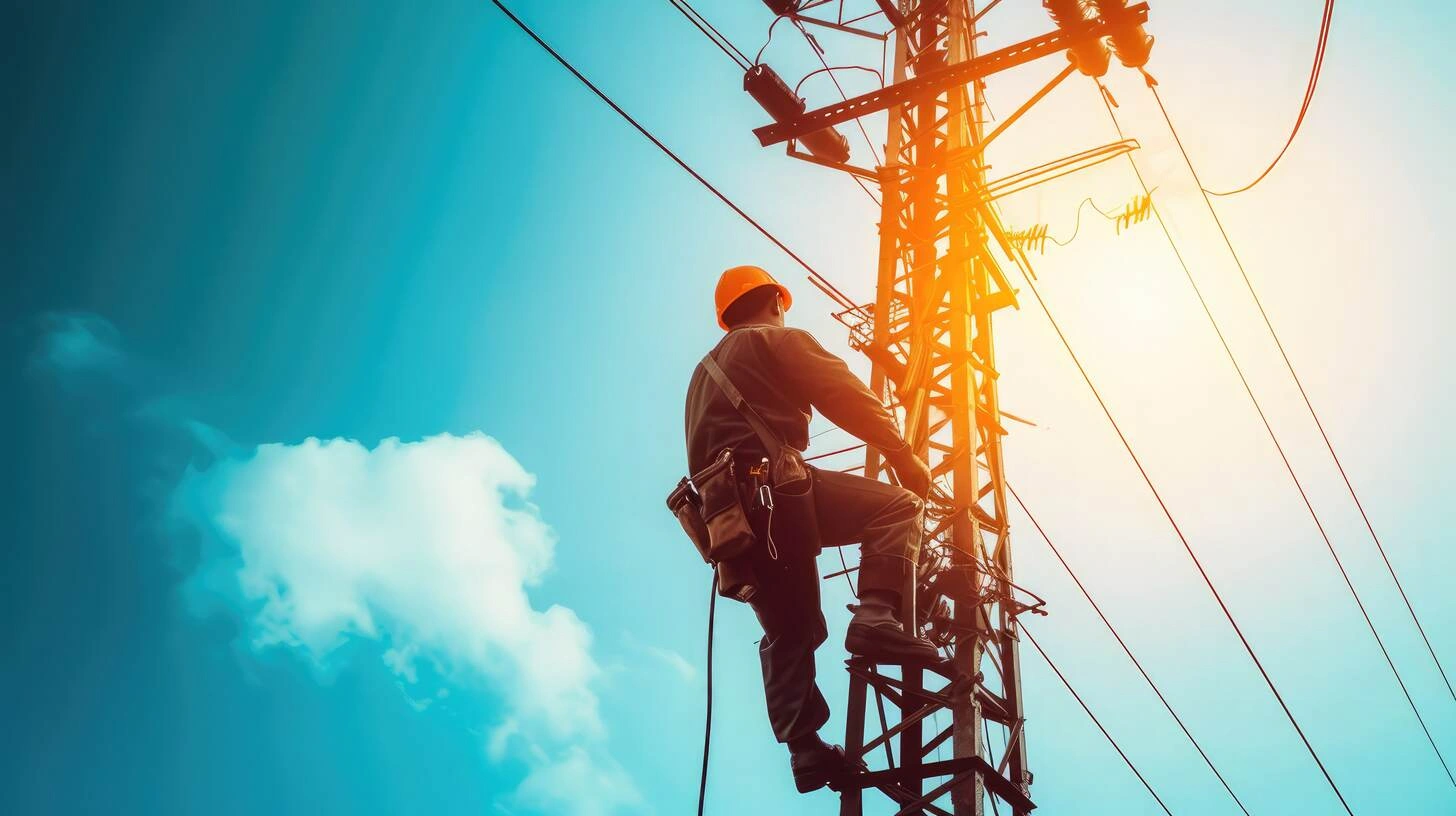
Work at Height Safety Training is an in-depth course designed to equip participants with the knowledge and hands-on skills required to work safely at height. It directly addresses the risks of falls from ladders, scaffolding, rooftops and other elevated surfaces — among the primary causes of workplace injuries and fatalities.
The course covers hazard identification, risk assessment, and the correct use of personal fall protection equipment (PFPE), along with safe scaffolding and ladder protocols, the use of mobile elevating work platforms (MEWPs), and an emergency rescue plan for working at height — all aligned with relevant national and international safety standards.
Combining theory with practical application, it suits sectors such as construction, utilities, oil & gas and manufacturing, enabling participants to make safer choices and actively contribute to a zero-harm environment.
Get a Customised Programme →The Hierarchy of Fall Protection
Safe height work isn't just "wear a harness" — it's a hierarchy. NIST Global's training teaches workers to work down the levels in order, reaching for personal fall arrest only after higher-order controls are exhausted.
The safest height work is the work you don't do at height. The first and strongest control is to design out the need to work at height altogether wherever reasonably practicable.
- Do the work at ground level where possible
- Use extendable tools from below
- Prefabricate and assemble on the ground
- Design out access needs
- The first question: can we avoid height?
If height work is unavoidable, prevent falls from happening — favouring collective measures that protect everyone over personal measures that protect one worker.
- Guardrails, barriers and edge protection
- Working platforms and covers
- Travel-restraint systems
- Collective protection before personal
- Keep workers away from the edge
Where a fall can't be fully prevented, fall-arrest systems minimise the distance and consequences of a fall — the last line of defence, requiring correct equipment and anchoring.
- Personal fall-arrest systems
- Full-body harness and energy-absorbing lanyard
- Suitable anchor points and connectors
- Minimising free-fall and swing
- Clearance and fall-factor awareness
Equipment only protects when it's the right choice, inspected and used correctly. This covers PFPE selection and inspection, plus safe use of ladders, scaffolds and MEWPs.
- Selecting and inspecting harness, lanyard & anchors
- Pre-use checks and defect rejection
- Safe ladder use and the right access
- Scaffold and MEWP selection by task risk
- Correct donning, fit and clipping
A fall-arrest system is only half the plan — a suspended worker needs rapid rescue. Every height job needs a rescue plan to prevent suspension trauma before it becomes fatal.
- A rescue plan before work begins
- Awareness of suspension trauma and time limits
- Rescue equipment available on site
- Trained responders identified
- Links to the Work at Height Rescue course
What Your Team Will Be Able to Do After This Training
Practical, on-the-job competencies — not just theory. Participants leave able to perform and supervise height work safely and confidently.
Spot Fall Hazards
Recognise and evaluate fall-related hazards before starting any height-related task.
Apply the Hierarchy
Implement effective risk controls, working down the hierarchy of fall protection.
Use PFPE Correctly
Select, inspect and correctly use harnesses, lanyards and anchor points.
Choose Safe Access
Pick the right ladder, scaffold or MEWP for the task and use it safely.
Plan for Rescue
Respond proactively to unsafe conditions and support an emergency rescue plan.
Meet Legal Duties
Apply Factories Act, BOCW, IS standards and ISO 45001 requirements on site.
Measurable Value at Every Level of Your Site
Height work is high-risk and high-stakes — disciplined training protects lives, keeps projects moving and demonstrates compliance.
Minimises Fatal Incidents
Directly addresses falls from height — a leading cause of workplace fatalities — to protect your people.
Legal & Regulatory Compliance
Meets Factories Act, BOCW and IS standards, helping avoid penalties and prosecution.
Stronger Safety Reputation
Demonstrates commitment to employee welfare — enhancing morale and employer branding.
Better Permit-to-Work Use
Improves understanding of when and how to raise, validate and close height-related permits.
Better Access Equipment Choices
Helps supervisors and workers choose the right ladders, scaffolds and MEWPs by task risk.
Less Downtime & Liability
Reduces project delays, penalties and disruption caused by unsafe work practices.
Stronger Risk Identification
Recognise unsafe conditions before starting height-related tasks and act on them.
Technical Equipment Competence
Confidently select, inspect and use PFPE — harnesses, lanyards and anchor points.
Confidence Under Pressure
Make quick, correct decisions in high-risk situations and during emergencies.
Built for Everyone Who Works Above Ground Level
Work at Height Safety Training suits anyone who performs, plans or supervises work at elevated locations where fall risks are present.
How We Deliver Work at Height Training
Every session blends theory with practical demonstration — PFPE use, anchoring and mock height-work setups — so participants apply real-world skills from day one on the job.
NIST Global by the Numbers
Our Impact Speaks for Itself
Measurable outcomes across 500+ organisations — because a world-class safety culture is built on data, not assumptions.
Industries We Serve with Work at Height Training in India
Wherever people work above ground level, fall prevention matters — our training is customised to your tasks, access equipment and sites.
Construction & Infrastructure
Oil, Gas & Petrochemical
Power & Utilities
Manufacturing & Plant Maintenance
Telecom & Towers
Facilities & Building Maintenance
Real Experiences from Organisations We've Trained
Trusted by EHS and construction leaders across India's most demanding and high-risk industries.


Frequently Asked Questions About Work at Height Training
Everything site and safety leaders need to know about NIST Global's Work at Height Safety Training.
Strengthen Your Work-at-Height Capability Further
For deeper expertise, explore these complementary NIST Global programmes.
Expert Insights on Working at Height
Practical guidance from NIST Global's HSE experts — helping teams work safely at height across India.
The Hierarchy of Fall Protection Explained
Why "wear a harness" is the last resort, not the first — and what comes before it.
Read article →Inspecting Your Harness & Lanyard Before Every Use
The pre-use checks that keep personal fall protection equipment reliable.
Read article →Why Every Height Job Needs a Rescue Plan
Suspension trauma and the minutes that matter after a fall is arrested.
Read article →Get a Work at Height Programme Built Around Your Site
Tell us about your height-work activities and access equipment and we'll design a customised Work at Height Safety programme — delivered on-site at your location or virtually across India.
- ✓Client, industry and site-specific content
- ✓On-site delivery at your facility across India
- ✓Available in English, Tamil, Hindi & regional languages
- ✓Hands-on PFPE, anchoring & mock height-work practice
- ✓Aligned with Factories Act, BOCW, IS standards & ISO 45001
- ✓Certification on successful assessment
Prefer to call directly?
+91 87544 65588