
Emergencies may occur anytime and anywhere – it may be either at home, the workplace, or even in public spaces. During such critical situations, it is the actions that take place prior to the arrival of a professional medical team that determine the result.
At any stage, the knowledge of first aid and CPR can begin. The terms are used as synonyms but they represent different concepts. The knowledge of the difference between these two terms should be understood because it protects people from dangerous situations.
The international safety research reveals that 30% of adults throughout the world need first aid training which results in a critical shortage of emergency responders. The situation now requires both awareness and training to reach their highest necessity.
This blog articulates the basic difference between first aid and CPR and the essential aspects of conducting a First Aid, CPR, and AED training at your workplace.
What is First Aid?
First Aid refers to instant care that is offered to an injured or suddenly ill individual till the medical professionals come. It aims at helping people who need assistance by saving lives and treating their medical problems and helping them recover from their illnesses.
The application of First Aid exists in multiple emergency situations which include the following examples of its usage.
-
Cuts, wounds, and severe bleeding
-
Burns and scalds
-
Fractures, sprains, and strains
-
Choking incidents
-
Heat exhaustion or heat stroke
-
Allergic reactions and insect bites
-
Sudden illness or fainting
Basic First Aid techniques include cleaning and dressing wounds, applying pressure to stop bleeding, and protecting injured body parts through immobilisation, while trained professionals use the recovery position to safeguard an unconscious victim.
These are some of the basic yet effective measures that would lead to a major decrease in complications.
Studies show that timely first aid can reduce injury-related complications by up to 25%, especially in road accidents and workplace incidents. This demonstrates how immediate care plays a crucial role in improving outcomes.
What is CPR?
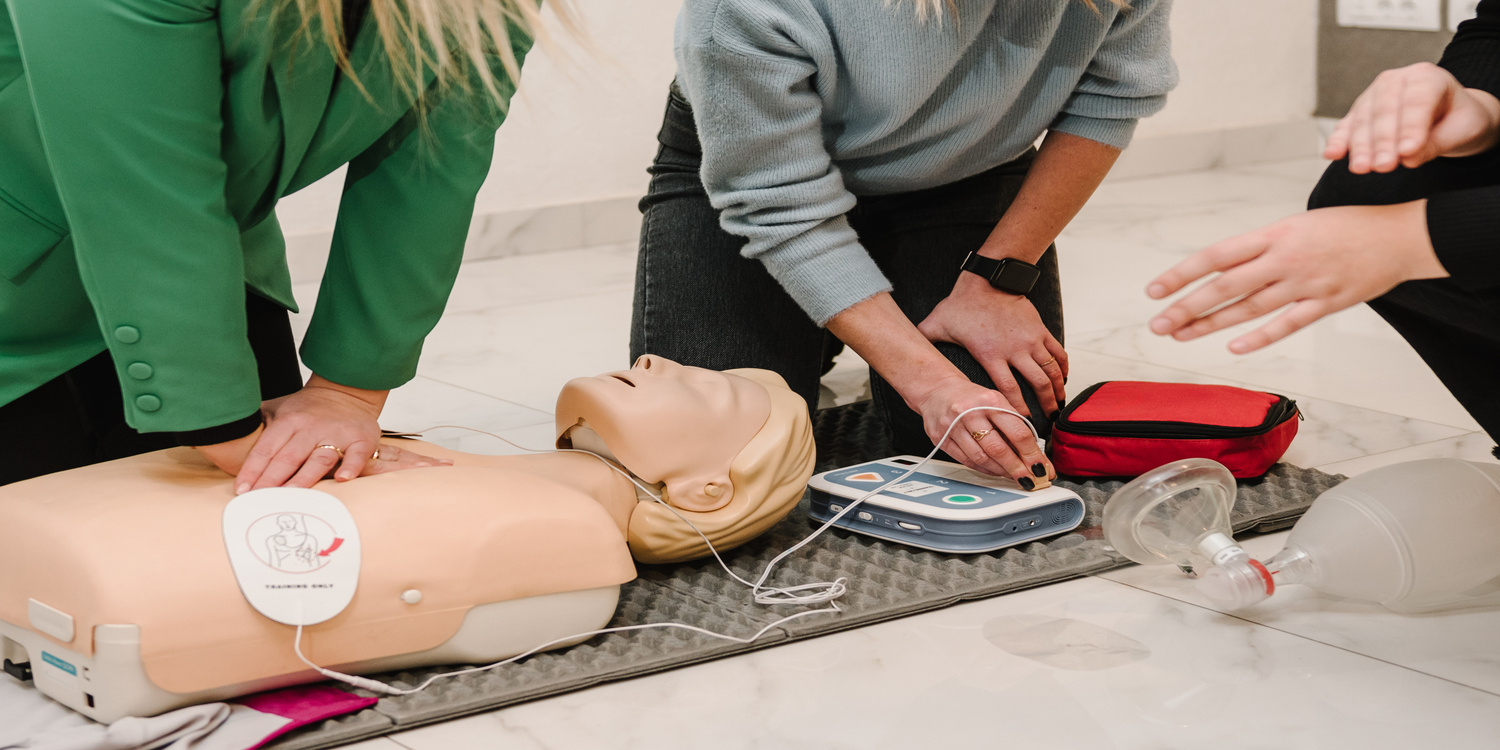
CPR (Cardiopulmonary Resuscitation) is a life-saving practice that is applied in case the heart of a person ceases to beat, or they stop breathing, which is usually a result of a cardiac arrest.
CPR involves:
-
Chest compressions to continue the flow of blood.
-
Administering rescue breaths (based on training and instructions).
The heart needs CPR as a method which maintains blood flow until medical teams deliver advanced treatment and their defibrillator devices. Immediate CPR execution enhances cardiac arrest survival according to research findings.
The research shows that immediate CPR administration improves cardiac arrest survival rates by two to three times. Many people need to take action but their training gaps and insufficient confidence make it hard for them to progress.
Key Differences Between First Aid and CPR
While both First Aid and CPR are emergency response skills, their application and scope differ significantly.
| Scope | Broad emergency care |
Focused life-saving procedure |
|---|---|---|
| Purpose |
Prevent condition from worsening |
Restore or maintain heart and breathing |
|
Situations |
Injuries and sudden illnesses |
Cardiac arrest or breathing failure |
|
Techniques |
Bandaging, burn care, splinting |
Chest compressions and rescue breaths |
|
Training Level |
Basic to advanced |
Requires specific hands-on training |
In other words, First Aid can be used to cope with emergency situations, and CPR can help to keep the patient alive in the most severe cases.
Why First Aid Training Is Essential?
The accidents are likely to happen in workplaces, schools, construction sites, and public places. Training individuals has the benefit of getting instant treatment, and it takes a shorter time to heal.
Research demonstrates that over 70 percent of first aid training graduates exhibit improved emergency response abilities and greater confidence. The majority of workplaces worldwide fail to offer structured first aid training programs to their employees which results in workers being unprotected during emergency situations. First Aid training helps individuals:
-
To be relaxed in a pressure situation.
-
To prevent small failures from escalating into major problems.
-
To attend to the victims until medical advice arises.
-
To enhance the general safety culture.
Why CPR Training Saves Lives?
One of the main causes of death that suddenly occurs is cardiac arrest. The speed at which CPR is initiated is critical to survival.
Globally, millions of people are trained in CPR and first aid every year, with large training organizations educating thousands daily. Yet, CPR rates remain low due to a lack of awareness and hesitation.
CPR training equips individuals to:
-
Recognize cardiac emergencies instantly
-
Perform effective chest compressions
-
Use AEDs safely and confidently
-
Act decisively when every second matters
Why Learning Both First Aid and CPR Matters?
First Aid and CPR are usually two things together in an emergency situation in real life. The first responder might be required to administer first aid and eventually do CPR on the patient until the emergency department staff arrives. This multi-capacity skill set will be more than prepared to handle minor injuries and life-threatening cases.
Community programs that promote first aid and CPR training have shown a 40% improvement in emergency response knowledge, proving that education directly impacts public safety.
Get Certified in First Aid and CPR
The most effective way to learn these skills is through professional, hands-on training delivered by certified instructors. First aid training and CPR certification provide you with essential knowledge for current medical guidelines and effective treatment techniques.
The NIST Global First Aid CPR AED training program provides comprehensive training for emergency response skills to people who want to become prepared to manage immediate consequences. Our programs support individual professionals, workplace environments, and organizational entities to create effective safety practices.
Being trained today could make you the reason someone survives tomorrow!
Enquiry NowPopular Safety Training Programmes
Behaviour Based Safety Training
Develop safe behaviours, strengthen safety culture, and reduce workplace incidents through proactive observation and intervention.
Fire Safety Training
Equip employees with the knowledge and practical skills to prevent fires, respond effectively, and protect people and assets.
Defensive Driving Training
Improve driver awareness, reduce road risks, and promote safer driving practices for employees operating vehicles.
The Right Safety Training Could Prevent the Next Workplace Incident
Explore our comprehensive range of workplace safety training programmes designed to reduce risks, strengthen safety culture, and improve workforce competence across all levels of your organization.