
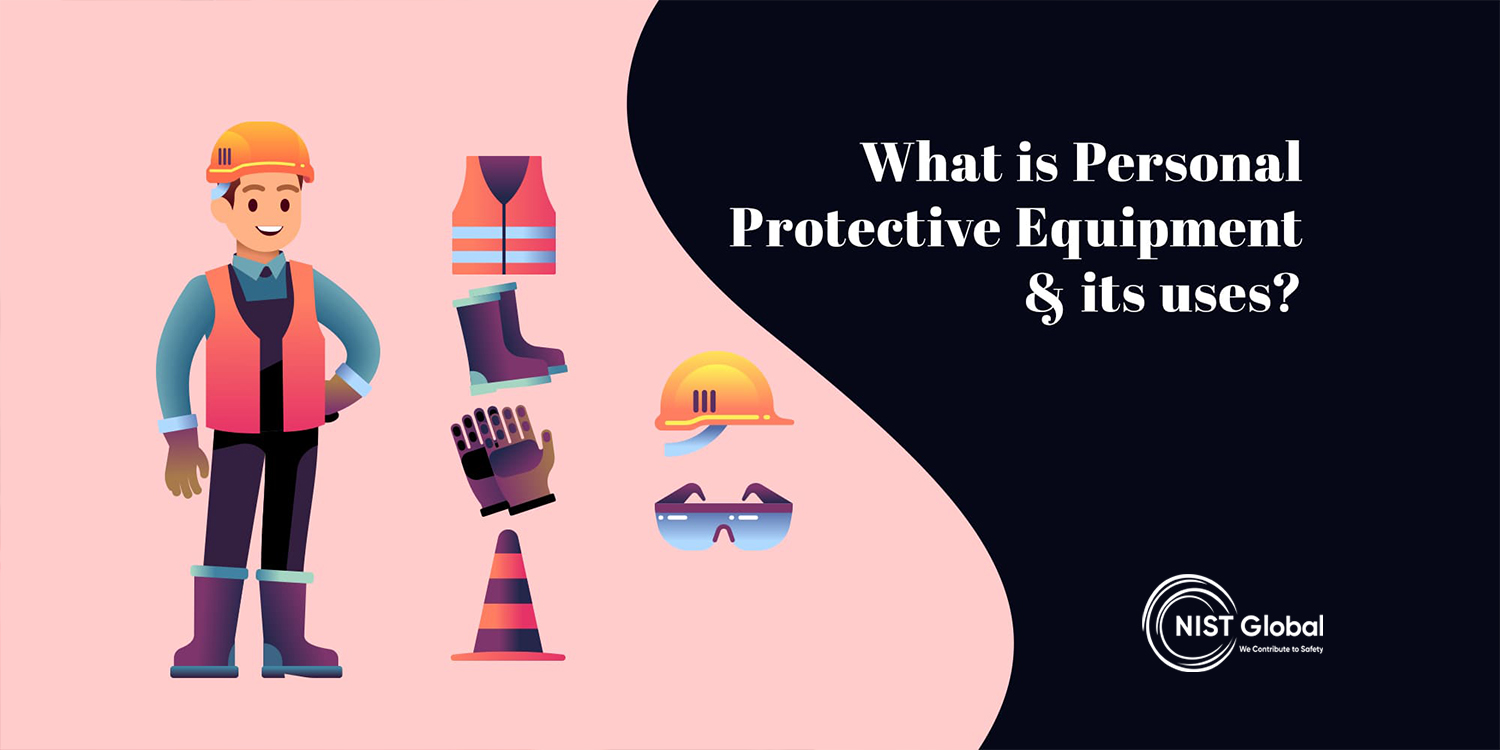
Personal Protective Equipment (PPE) denotes any gear, attire, or apparatus that an employee puts on to minimize his/her exposure to occupational risks and improve the personal safety. PPE aims at safeguarding employees against injuries, health risks that can occur as a result of accidents, dangerous substances or even dangerous working conditions.
PPE finds application in numerous industries like construction, oil and gas, power generation, mining, healthcare, firefighting, defense, hazardous waste management, manufacturing and transportation. In most of these industries PPEs are enforced because it is very risky.
Understanding Personal Protective Equipment
PPE does not involve the use of clothing. It entails a broad variety of protective gadgets, content, and equipment involved in protecting workers against physical, chemical, biological, electrical, and mechanical risks. PPE is used as a shield between the worker and the hazard to lower the chances or the degree of injury or illness.
Typical PPEs are respiratory protection, personal protective (helmet, gloves, etc.), safety shoes, and eye protection. In most cases, several forms of PPE are combined to ensure a complete degree of protection. As an example, a worker can use a hard hat, safety glasses, gloves, and safety shoes at the same time that he/she is doing a job.
Importance of PPE in the Workplace
Other hazards that prevail in the workplace cannot be realized by the use of human senses. It is only when workers experience some health effects or injuries that they can be aware of the existence of a hazard. Acute or chronic health problems may be experienced in case of exposure to harmful substances, high heat, noise, or electrical energy.
Examples of acute health effects are burns, chemical injuries, inhalation hazards, heat stress, or eye injuries. Chronic diseases like respiratory diseases, cardiovascular challenges or workplace-related cancer may be caused by long-term exposure to some hazards. Where the hazards cannot be fully eliminated or controlled by engineering or administrative means, PPE is very essential with the view of reducing these dangers.
Types of Personal Protective Equipment and Their Uses
Gloves and Safety Shoes
The hands are safeguarded against sharp objects, cuts, abrasives, heat, and any chemicals. Gloves are of various kinds and types based on the nature of the task and risk.
Safety shoes will shield the feet against falling objects, puncture, falls, and slips as well as electrical hazards.
Protective Headgear
The helmets and hard hats help workers in preventing injuries to the head caused by falling and flying objects, hits, or electrical hazards. They play a vital role in the construction, manufacturing, and industrial setting.
Eye and Face Protection
Face shields, goggles, and safety glasses cover the face and eyes of the individual to protect them against dust, flying objects, splashes, sparks, or harmful radiations. The use of eye protection is essential when there is cutting, grinding, welding, or the use of chemicals.
Hearing Protection
The workers are safeguarded against high noise levels, which may cause hearing loss using earplugs and earmuffs. They are normally utilised in industries where there is high noise e.g. manufacturing, aviation, and construction.
Protective Clothing
Protective clothing is coveralls, chemical resistant suits, flame resistant clothing, and high visibility clothing. These cover workers against heat, chemicals, radiation, biological agents, sharp objects, and environment.
Respiratory Personal Protection Equipment.
Respiratory protective gear is worn when employees have been exposed to adverse dusts, fumes, vapors, gases, or dangerous oxygen-deprived conditions. This consists of masks, respirators and self-contained breathing apparatus (SCBA).
PPE and Occupational Health
Employers have the obligation of providing a healthy and safe working environment which entails the provision of proper PPE in the event that the hazards cannot be effectively managed through other means. In their turn, employees must use and preserve the given PPE appropriately.
Although PPE is a vital safety precaution, it can be viewed as the final precaution that follows the removal of the hazard, its replacement, engineering control, and administrative control. Training on the selection, use, maintenance, and restrictions of PPE are major concerns to achieve the desired protection.
Conclusion
PPE is important to the prevention of injuries, illnesses and even deaths at work in any industry. PPE can greatly minimize exposure to hazards and help to protect a safer working environment when chosen and used correctly and properly. The need to identify the significance of PPE and ensure a high level of constant use aid organizations to safeguard their employees and preserve the high quality of health and safety.
Popular Safety Training Programmes
Behaviour Based Safety Training
Develop safe behaviours, strengthen safety culture, and reduce workplace incidents through proactive observation and intervention.
Fire Safety Training
Equip employees with the knowledge and practical skills to prevent fires, respond effectively, and protect people and assets.
Defensive Driving Training
Improve driver awareness, reduce road risks, and promote safer driving practices for employees operating vehicles.
The Right Safety Training Could Prevent the Next Workplace Incident
Explore our comprehensive range of workplace safety training programmes designed to reduce risks, strengthen safety culture, and improve workforce competence across all levels of your organization.