
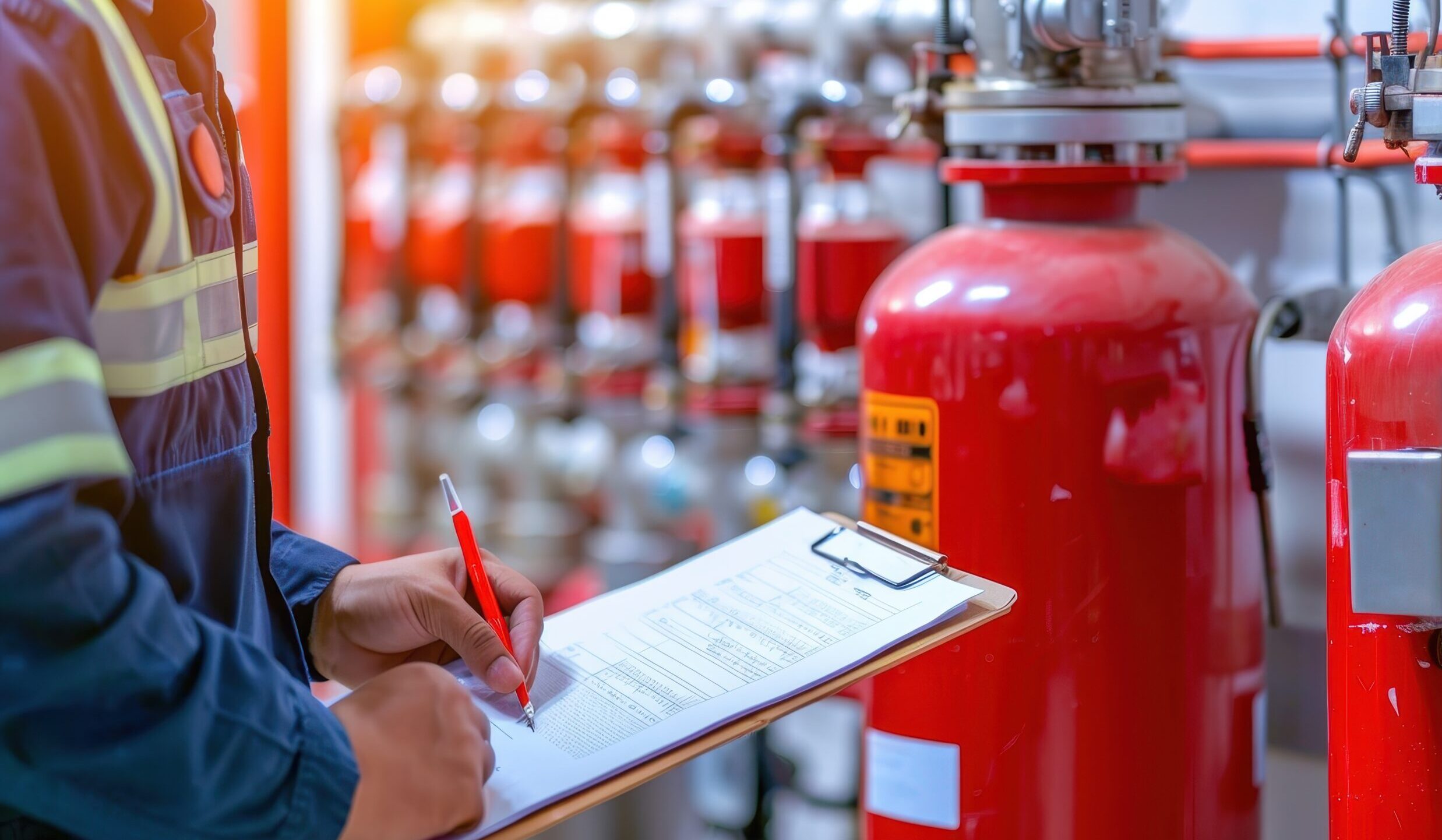
A fire does not ask for your permission, or it sends an email warning; even a single minute matters; it can transform the lives of people, cause damage, or even shut the business down, which takes so many years to get back to the form.
Fire safety protects people in all aspects; it protects property, daily operations, and even the lives of the people. A single fire accident could lead to severe injury, unexpected shutdowns, loss of life, huge financial loss, and a long- term reputational damage. In recent days, workplaces are facing huge fire risks. Every organization depends on a many electrical devices, warehouses with flammable materials, and industrial facilities operate high-temperature machinery. Fire accidents mostly happen because of overloaded circuits, improper storage, and poor maintenance will easily result in serious hazards. All these realities require more than basic precautions.
So that organizations should think about the need for precautions rather than being reactive, organizations need to be proactive and start to prevent the accidents before they happen. Consistent fire assessments and appropriately trained professionals will create a safer and more confident work environment. Appropriate professional fire safety training and audits, which are provided by NIST, strengthen preparedness and make sure that the organizations remain capable and confident during emergencies.
Why Fire Safety is a Strategic Priority
1.Protection of Lives
When a fire starts, it spreads rapidly within minutes; toxic fumes, smoke, and intense heat will put lives at serious risk. In most of the cases, inhalation of smoke is more dangerous than the fire. Early fire detection systems and trained emergency employees make a huge difference. When organizations invest in awareness programs and regular drills that will make the people know what to do, where to exit, when to use an extinguisher, and how to raise an alarm. Regular awareness sessions and fire drills give the employees great confidence to act appropriately instead of getting panic.
2.Protection of Property and Critical Assets
Fire not only burns walls and furniture. It will also destroy stock, data, machinery, vital equipment, and documents. Even a small fire accident can interrupt huge operations and lead to costly repairs. Sprinklers, alarms, fire- resistant materials, and proper compartmentation will help the organization to control the damage in case of fire accidents. Organizations must have regular inspections and maintain systems consistently. With proper supervision and routine checks, businesses can ensure that their fire protection systems work when they are needed most. With right checks and proper supervision, businesses make sure that their fire protection systems will work when they need them the most.
3.Business Continuity and Organizational Resilience
A serious fire can shut the operations and productions for weeks or even for months. Clients will face a delay, revenue will drop, and this rebuilding will take time and resources. When organizations bring fire safety in overall Health, Safety, and Environment (HSE) system, it reduces the risks significantly. This approach helps to identify the incidents before they turn into accidents. With proper professional training and fire and life safety audits, NIST makes sure that the organizations strengthen their preparedness and enhance long- term resilience.
4.Legal and Regulatory Compliance
Most of the countries are instructed to follow certain rules and regulations. Failing to following the rules and regulations will result in heavy fines, and legal actions, or even closure of the organizand ations. To meet this standard, trained professionals make sure that the organizations have achieved these requirements. They maintain proper documentation, conduct inspections, and initiate appropriate actions where it is needed. With expert guidance and structured audits, NIST supports organizations in maintaining compliance while building a safer working environment.
The Role of Professional Training in Fire Safety
Fire safety systems play a vital role in an organization, but they only work well when the people know how to use and manage them properly. Most of the organizations install fire extinguishers and alarms, yet they focus more on proper training. Without the proper knowledge and confidence, even the correct equipment will fail during an emergency.
Structured fire safety training helps professionals:
-
Identify fire hazards and ignition sources.
-
Carry out proper fire risk assessments.
-
To be proactive before the accidents occur.
-
To respond quickly and properly to the emergencies.
When the workers have a proper understanding of what to look for and how to act, they become the first line of defense.
NIST’s first priority is to focus on practical, hands -on learning rather than just teaching the theory. With the right fire and life safety audits and efficient training programs, NIST helps organizations to develop emergency preparedness to reduce risks and build a stronger safety culture. Consistent training will keep fire safety active and relevant. It conforms that safety will remain as a daily responsibility and not just a one- time compliance requirement.
Eight Effective Ways to Improve Fire Safety
1.Conduct Comprehensive Fire Risk Assessments: All organizations should always have an idea of the possible ignition sources, like electrical faults, improper storage, overloaded circuits, and housekeeping, which are often the reasons for fire risk. Trained professionals will access all these risks, document the findings of their risks, and take corrective action. A proper fire risk assessment will create a strong foundation for an effective fire safety program.
2. Install and Maintain Fire Detection Systems: Organizations should install alarm systems, smoke detectors, heat sensors, and also early warnings. Earlier alarms will help people evacuate safely, which makes the emergency teams respond quickly. Continuous testing and maintenance make sure these systems will help them when they are needed.
3. Implement Appropriate Fire Suppression Systems: Fire extinguishers and sprinklers help to control fires in the earlier stage. However, the organizations should select the proper type of suppression based on the hazard. The accessibility and the proper placement, as well as the employee training, make the systems more effective.
4. Develop a Clear Emergency Response Plan: Every organization should always have a simple emergency plan. And it should clearly have the outline of evacuation routes, assembly points, individual responsibility, and emergency contacts. Every employee should have a proper understanding of their role, and they should know how to respond calmly and effectively during emergencies.
5. Conduct Regular Fire Drills: Conducting regular fire drills helps the employees get prepared for the real situation. They help the teams practice evacuation procedures and analyze gaps in the emergency plan. Consistent practice builds confidence and reduces panic.
6. Maintain Emergency Lighting and Exit Signage: During a fire accident, fire or smoke can reduce visibility. Emergency lighting or exit signs will guide people to evacuate safely. Regular inspections make sure that these systems remain functional and compliant.
7. Perform Preventive Maintenance and Inspections: Conducting regular inspections of fire doors, alarms, electrical systems, and extinguishers will prevent unexpected failures. Proper documentation and timely corrective actions reduce risks significantly.
8. Promote a Strong Fire Safety Culture : A strong fire safety culture starts with strong leadership because when an organization gives importance to safety, employees will take the safety seriously.
Awareness sessions, toolbox talks, and refresher training keep safety active. Professional training programs, such as those offered by NIST, help organizations make fire safety a daily responsibility rather than just a compliance requirement.
Building Long-Term Fire Resilience
Prevention is better than cure, so all organizations must afford to act before the fire occurs. Long- term resilience comes from a proper system and consistent monitoring. When the industries invest in proper training, employees get more confidence in spotting the risks better, coordinating during emergencies, and attaining safety regulations. Continuous fire and life safety audits will help organizations identify the issues before they become serious problems.
By developing a strong safety culture and improvising professional competency, organizations can create safer workplaces and make sure that they are stable and have uninterrupted operations.
Key Takeaways
FAQs