
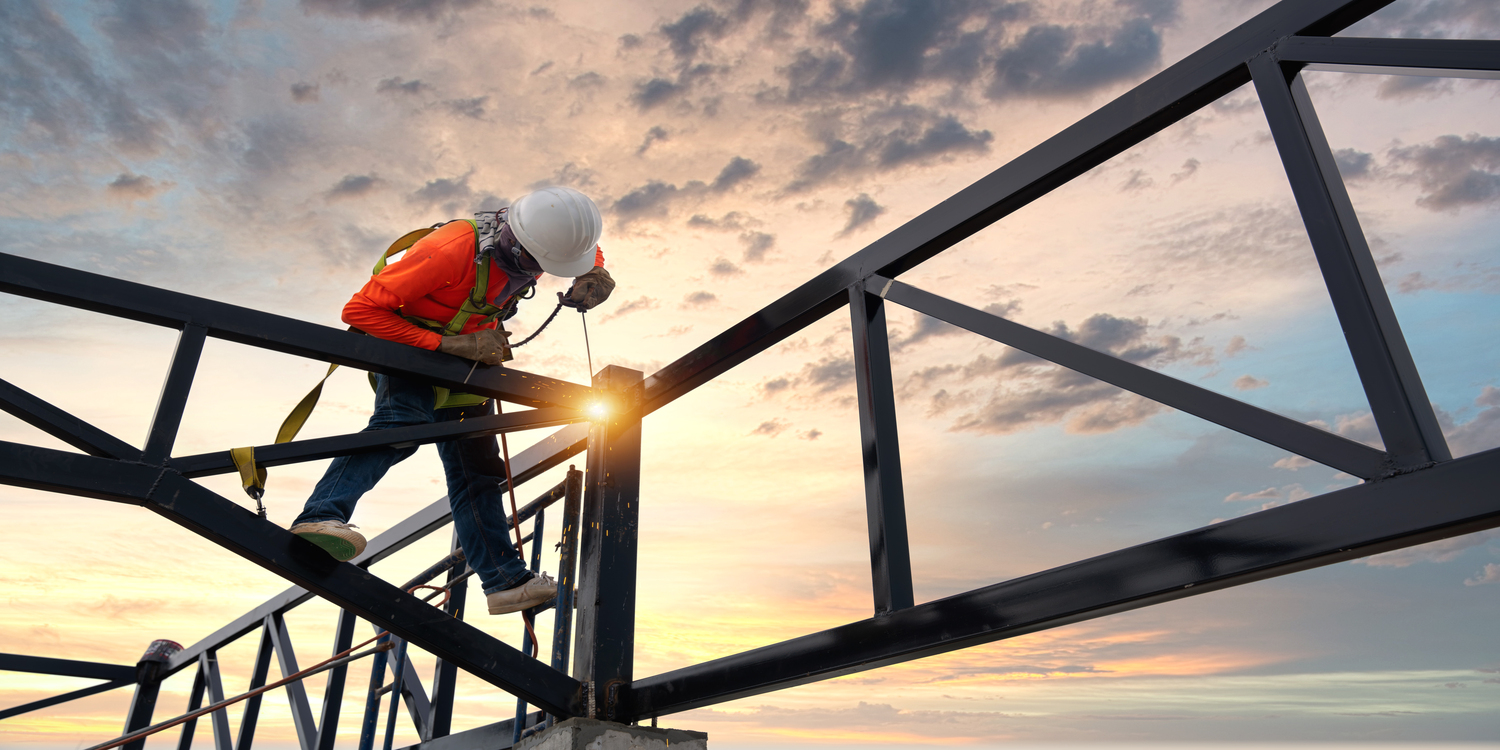
Occupational injuries at heights remain one of the leading causes of workplace injuries in every industry. Fall hazards remain a significant safety issue impacting the workers in terms of construction and maintenance, warehousing, and utilities.
In broader occupational injury data for India, around one in five hospital admissions for work-related injuries involved a fall, and more than half of these were falls from elevated surfaces such as ladders, structures, and stairs — often resulting in fractures and other serious harm. (Source: India Education Today)
This blog explains working at height, why it is risky, the most common height-related risks, the most important steps in fall prevention, and the collective responsibility of employers and workers in this matter, as well as an example of a safety checklist and frequently asked questions.
What Is Considered Working at Height?
Working at height is dangerous for several critical reasons:
It is not a secret that falls are among the most common causes of severe workplace-related accidents in the world, according to the Occupational Safety and Health Administration (OSHA) and other safety experts. The injuries caused by height-related falls are usually serious, such as fractures, spinal injuries, head injuries, and even death.
One failure in equipment, judgement or oversight can have irreparable consequences. Employers have a legal and moral duty of ensuring that workers are not exposed to foreseeable fall dangers.
Why Working at Height Is Dangerous?
Working at height is dangerous for several critical reasons:
It is not a secret that falls are among the most common causes of severe workplace-related accidents in the world, according to the Occupational Safety and Health Administration (OSHA) and other safety experts. The injuries caused by height-related falls are usually serious, such as fractures, spinal injuries, head injuries, and even death.
One failure in equipment, judgement or oversight can have irreparable consequences. Employers have a legal and moral duty of ensuring that workers are not exposed to foreseeable fall dangers.
Common Working at Height Hazards
Working at height exposes workers to numerous hazards; in most cases, they coexist at the same time, which predisposes them to falls, injuries, and secondary accidents when they are not effectively recognised and managed.
1.Falls From Ladders and Scaffolding
Ladders may fall or tip over due to incorrect angle of the ladder, improper location or absence of securing ladders. Overloaded scaffolds, those that have not been properly constructed, and those that lack some parts, are prone to collapsing or making workers lose their balance.
2.Unprotected Edges and Openings
Mezzanines, open shafts, floor openings, roof edges, and open ends are highly dangerous areas that may result in a fall in the absence or insufficiency of guardrails, covers, or barriers.
3.Slips and Loss of Balance
The oily, dusty or wet surfaces or uneven surfaces predispose the occurrence of slips. Loss of balance is also brought about by poor housekeeping, such as loose materials or cables that trail in high places.
4.Falling Objects
Heights may have tools, materials or debris that fall and hit the workers or pedestrians on the ground. This risk not only impacts workers positioned at height, but also the people around them.
5.Structural or Equipment Failure
Ladders, platforms, faulty anchor points, or access equipment that is not properly assembled may fail at any moment, resulting in significant incidents.
6.Weather and Environmental Conditions
Poor visibility, wind, rain, and heat all pose a serious risk, particularly when carrying out an outdoor elevated work. The environmental conditions may interfere with the worker’s stability and equipment performance.
Key Precautions for Working at Height
Effective fall prevention requires a combination of planning, equipment, training, and supervision to eliminate or control height safety risks before work begins.
Implement Permit-to-Work and Risk Assessment
The control of high-risk work at height must be established on a permit-to-work system, which is backed by job hazard analysis (JHA), sufficient supervision and well-established emergency and rescue plans.
Employer and Worker Responsibilities
- The employers are required to recognise the risks of falls, safe systems of work, adherence to the rules of working at height, and have the right equipment and training.
- Employees have to adhere to safe working practices, properly use the equipment, provide training, and report on unsafe conditions as soon as possible.
- Well-developed safety culture promotes hazard reporting, open interaction and collective accountability towards the height safety.
Working at Height Safety Checklist
- Pre-work inspection of access equipment and work area
- Confirmation that the equipment is suitable for the task
- Assessment of weather and environmental conditions
- Existence of an emergency rescue plan in written form
NIST Global’s Work at Height Safety Training
Our Work at Height Safety Training is an in-depth course designed in order to equip participants with the knowledge and hands-on skills required to work safely at heights.
This training program addresses risks related to working at height, such as falls from ladders, scaffolding, rooftops, and other elevated surfaces, which are some of the primary causes of workplace injuries and fatalities.