
Accidents don’t just happen; they always leave clues. Mostly, workplace accidents happen because something in the workplace system has failed, a risk gone unnoticed, or a control didn’t work as per plan. A proper accident investigation will help the organizations understand what went wrong, why it has happened, and what will help to change to prevent it from happening again. When this investigation is done right, it prevents and protects people, enhances safety performance, and turns incidents into valuable learning opportunities. Here, in this blog, you will have a clear understanding about the 7 steps of a thorough accident investigation.
What Is Accident Investigation?
Accident investigation is a fine structured process that gives the clear background view of workplace accidents and also provides the causes of workplace accidents, incidents, and near misses. Its primary purpose is prevention, not fault-finding.
An incident refers to an unexpected event that may or may not cause harm. An accident causes damage, loss, and injury. A near miss is nothing but a close call where it could have caused harm but didn’t. Doing an investigation on all three will help the organizations spot risk earlier and prevent the future accidents.
Usually the investigation is lead by Supervisors,HSE professionals or Trained investigation teams. organization should start the process as soon as possible after the event, at-once after the incident they need to make the area safe and take care of anyone who is been injured in the accident.
What Are the 7 Steps of a Thorough Accident Investigation?
Step 1 – Make the Scene Safe & Assess the Situation
After the accident has happened, the first work is to stop the work and secure the area. Control or remove any immediate hazards before anyone else gets hurt. Assess injuries and other ongoing risks, and then preserve the accident scene unchanged as much as possible to protect critical evidence.
Step 2 – Provide Medical Aid & Notify Authorities
Then give first aid right away and activate emergency response without delay. Arrange proper required medical treatment for the injured person. Inform supervisors, the HSE team and management. Then report the incident to higher authorities where the law requires.
Step 3 – Collect Evidence from the Accident Scene
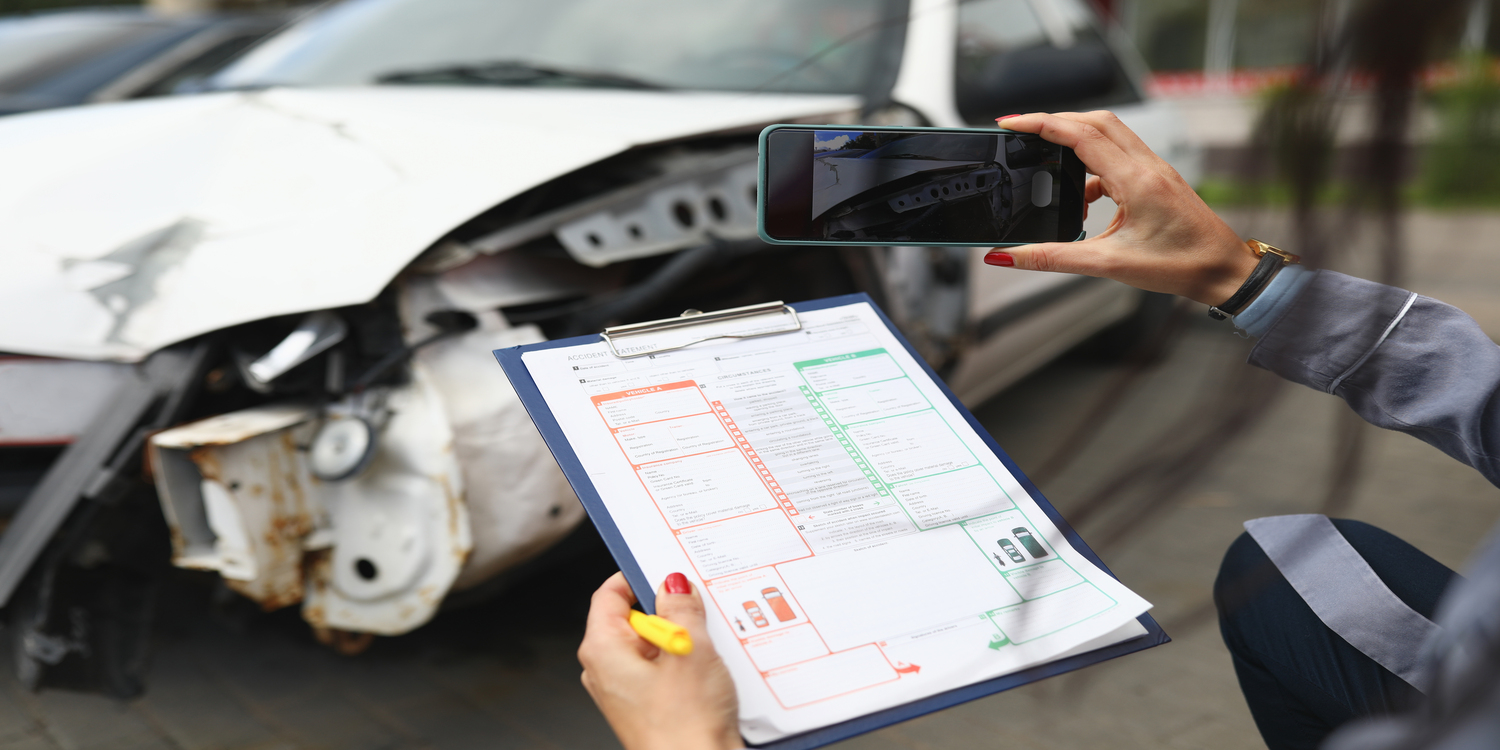
It is important to gather the facts from the scene. Click pictures or videos, make simple sketches, and then collect physical objects like tools, materials involved, and PPE. Then check the condition of the review documents, such as permits, procedures, maintenance records, and CCTV footage if available.
Step 4 – Interview Injured Persons & Witnesses
Conduct interviews appropriately and individually. Ask open- ended questions and non- blaming questions to understand what has actually happened. Carefully record their statement accurately and consider human, behavioral, and workplace factors.
Step 5 – Analyze Facts & Identify Root Causes
Gather all the information and rebuild the sequence of events. At first, identify the reason for the incident and what caused the accident immediately and what deeper issues allowed it to happen. Use simple tools like the 5 Whys or Fish-bone diagrams, and focus on fixing system weaknesses; not blaming people.
Step 6 – Develop Corrective & Preventive Actions
Then Come to a decision about what action has prevented the accidents from happening again. Control the problems by fixing the source wherever possible. Assign clear responsibilities, set deadlines, and ensure that the actions address the real causes.
Step 7 – Report, Communicate & Follow Up
Document the findings and actions in a clear investigation report. Share lessons learned with employees so everyone benefits. Track the completion of actions, review their effectiveness, and update risk assessments and procedures when needed.
Main Aim of Accident Investigation?
- Prevent upcoming accidents and near misses
- Identify real causes, not just immediate causes
- Enchance safety systems and work processes
- Strengthen hazard control measures
- Promote a positive, learning-based safety culture
- Ensure legal compliance and due diligence
- Reduce injuries, downtime, and operational costs
Why Is a Thorough Accident Investigation Important?
A thorough accident investigation prevents repeat incidents by addressing root causes instead of symptoms. It supports legal and regulatory compliance, improves safety culture, and enhances overall safety performance. Organizations that investigate effectively reduce downtime, injuries, and financial losses.
Common Mistakes to Avoid During Accident Investigation:
-
Delaying the investigation or starting too late
-
Disturbing or losing important evidence
-
Focusing on blame instead of causes
-
Poor documentation and incomplete records
-
Failing to implement or follow up on corrective actions
Benefits of a Thorough Accident Investigation
-
Reduces repeat accidents and workplace injuries
-
Identifies causes and strengthens safety systems
-
Improves legal compliance and due diligence
-
Lowers downtime, damage, and operational costs
-
Builds employee trust and a positive safety culture
Conclusion
A thorough accident investigation transforms incidents into learning opportunities. By following a structured seven-step approach, organizations can identify root causes, strengthen systems, and prevent future harm. Strong investigations do not assign blame; they build safer workplaces.